Roasting artisanal coffee is a fine balance of art and science. Wanting to learn how Moon Roast aim to highlight the flavours of specialty grade coffee through roasting techniques and profiles. Laurence Civil went to meet Francis Bradshaw their roastery in converted farm building at Chilton Manor Farm.
Francis is the fourth generation from a family with a passion for fine coffee. Their story started in Mincing Lane, London. His great grandfather Richard Goodwin Bradshaw ‘RGB’ worked for Wilson Smithett, the principal City of London tea & coffee broker. He was the expert in trading and blending tea from Ceylon. His son Dorman Bradshaw, Francis’s grandfather followed the family trend as a broker. Haydon, Francis’s father started his career in the tea trade before moving to the coffee industry when he joined Nestle and became Britain’s leading coffee specialist, helping to develop the signature Gold Blend brand. He went on to be a coffee consultant for Waitrose and other high street outlets.
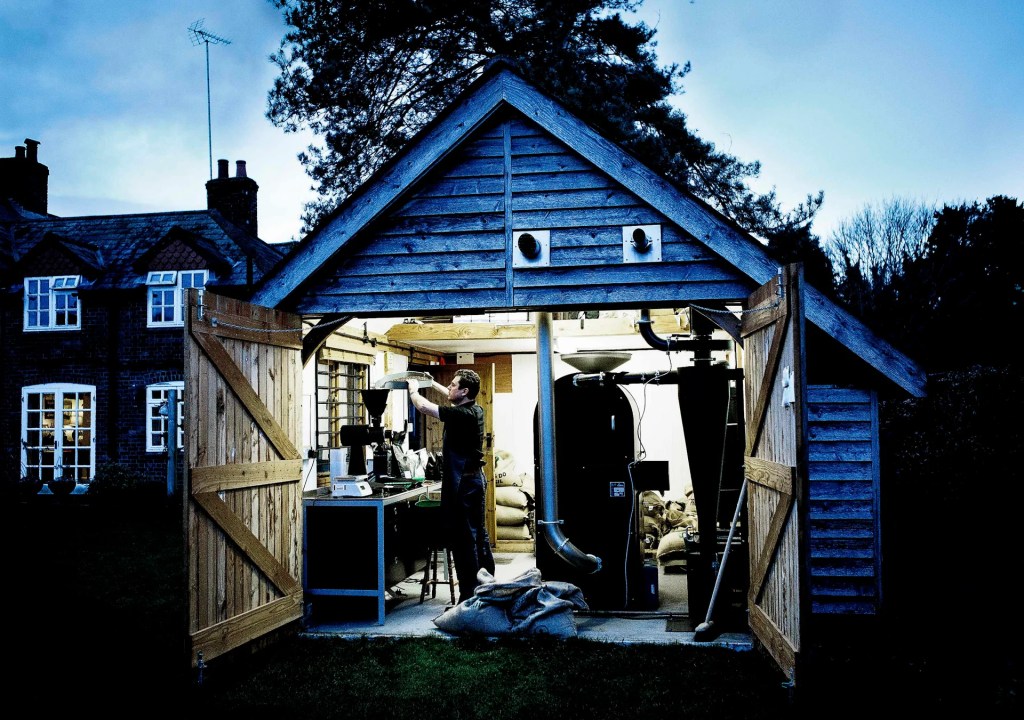
The coffee influence flows through the Bradshaw DNA. While keeping his day job in leisure and travel Francis commissioned a Probat Coffee Roaster in a small barn in his garden in 2012. Returning from a day in the office he began roasting coffee by the light of the moon under the watchful eye of the local barn owls. He developed his roasting profiles for the beans he had selected and began supplying locally roasted coffee to the local community. The rays of the moon and the owls wings evolved into the birth of Moon Roast.
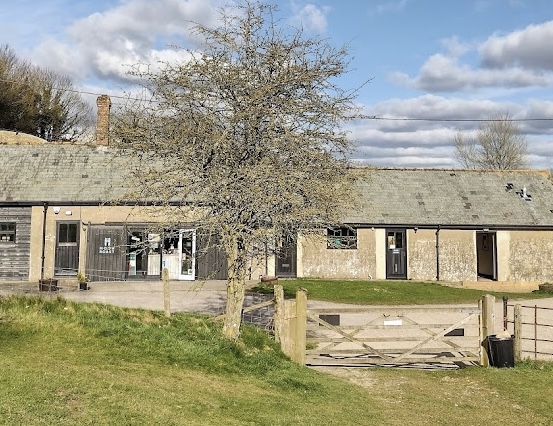
Moving forward to 2017 they moved into a purpose built roastery in converted Grade 2 listed outbuildings of Chilton Manor Farm, where an additional roaster was installed and barista training facilities. “There are many factors that influence the flavour in the cup. Selecting the origin, the variety and altitude, the processing method of removing the cherry from the bean. Developing the best roast profile to highlight the natural flavours and finally identifying the best extraction recipe.”
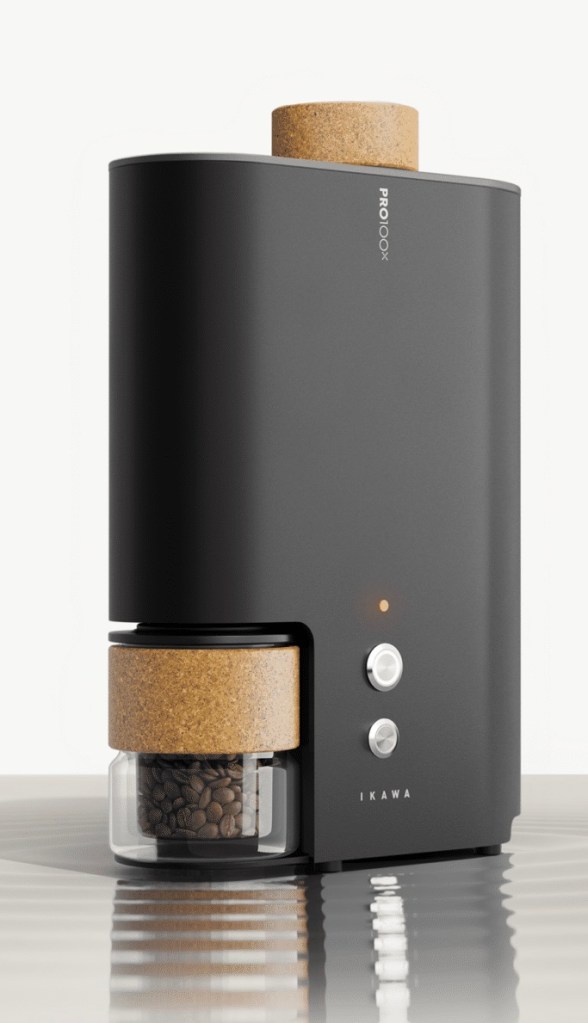
“Prior to selecting our coffee we receive a green coffee sample and sample roast the beans with an IKAWA Pro V3 sample coffee roaster,” he says. “This allow a coffee business to easily roast a coffee in order to evaluate it (usually for purchase or sale). Coffee is sold ‘green’, which is the processes raw state, and it needs to be roasted in order to be sampled.
It is a key element to assessing the coffee taste, it’s the standardised evaluation system. The extracted coffee is poured into what looks like a deep soup spoon with an angled handle. It sucked into the mouth generously to add air to the coffee so sweetness, acidity and other attributes can be evaluated. Its similar to how wine is tasted, but why not, premium coffee is a valuable liquid with a quality taste to be appreciated.
.
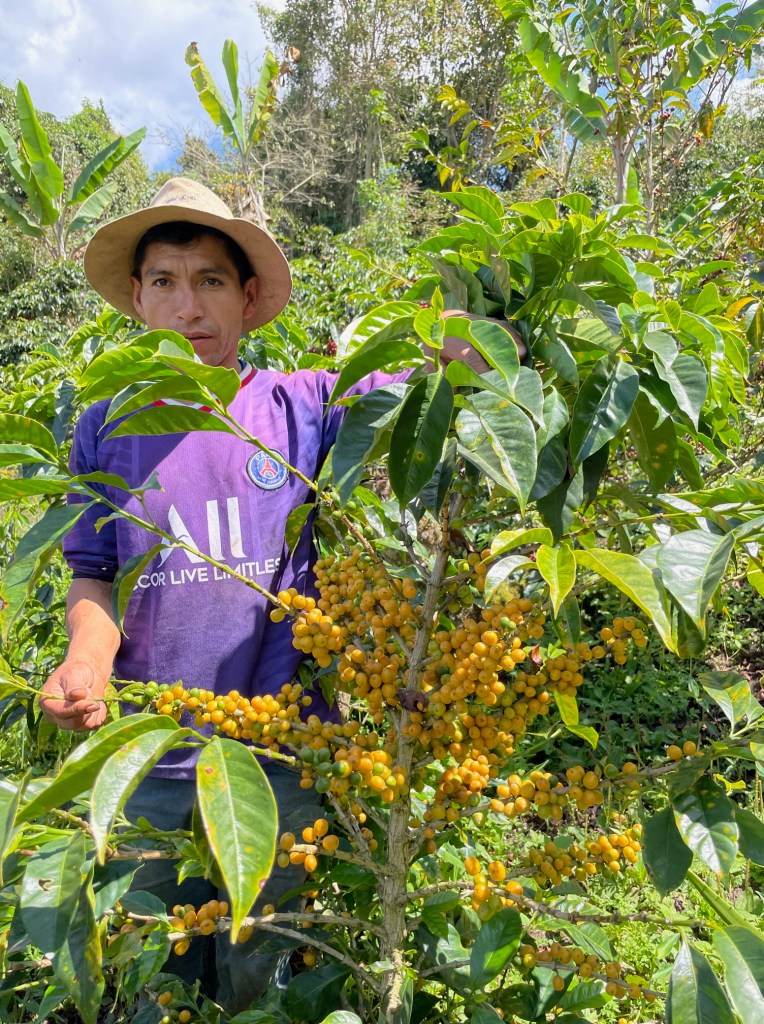
“I recently travelled to Peru and visited the farmer producers to get a better understanding of how they are growing and processing their coffee,” he says. “We work with Falcon Coffee in Peru who hosted my visit and introduced me to the growers. All the coffee we source is specialty grade helping our suppliers receive a good price in return for high quality. Much of the coffee we buy is shipped to Felixstowe, where it is held in a warehouse until we draw it down.”
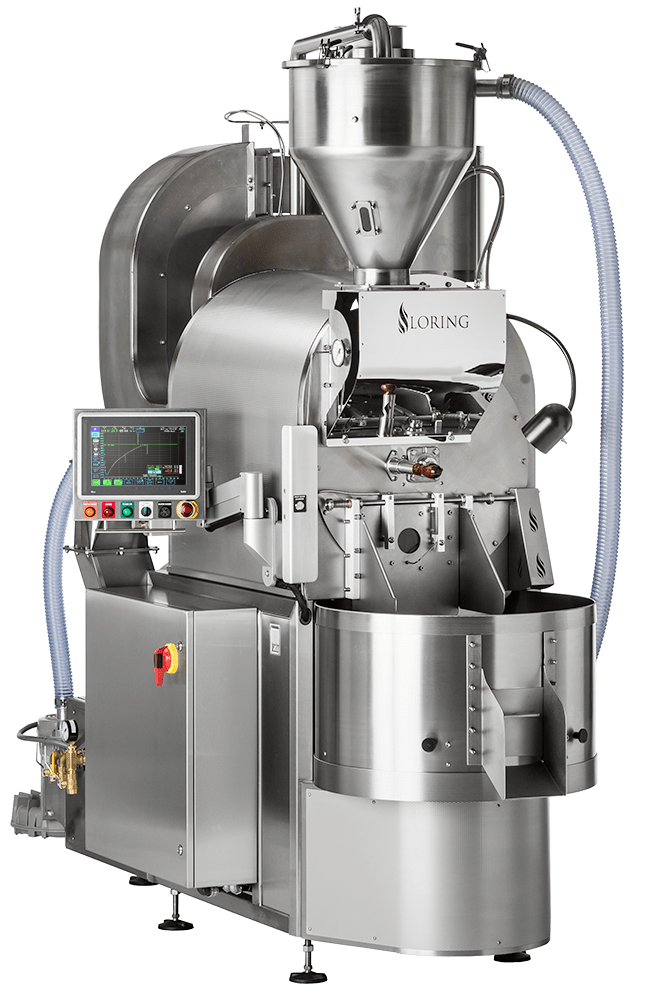
Their Loring 35 Kestrel is a single burner roasts beans and incinerates smoke. High-speed cooling tray reduces cooling time while protecting beans. Up to 80% fuel-savings and reduction of greenhouse gases in every roast, compared to conventional roaster the Single burner roasts beans and incinerates smoke. High-speed cooling tray reduces cooling time while protecting beans
When roasting speciality grade coffee the roast level is usually light to medium as we looking to emphasise the subtle flavour notes of the beans and we don’t want to mask this with a roasty note.
When roasting speciality grade coffee the roast level is usually light to medium as we looking to emphasise the subtle flavour notes of the beans and we don’t want to mask this with a roasty note.
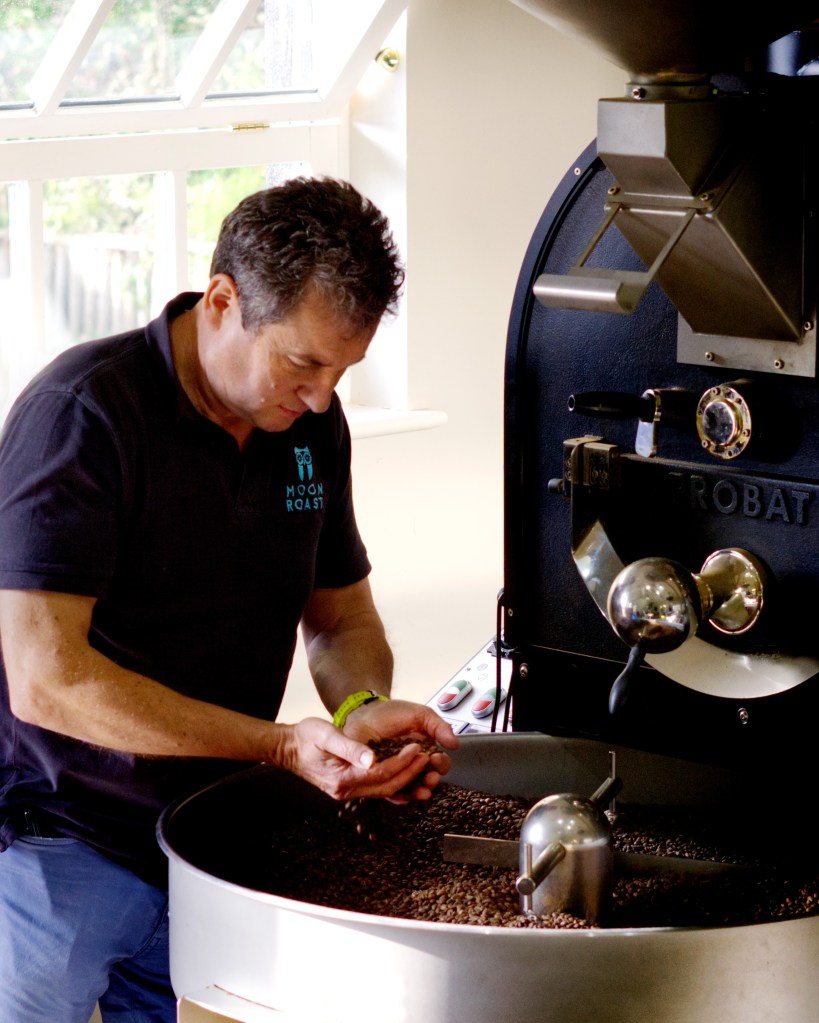

Having roasted the coffee bean to perfection, the ‘extraction’ or making of coffee is key, it is said that the quality of your cup of coffee is down to 50% bean/50% barista. An extraction recipe is therefore provided to help serve a consistent drink. For espresso a typical recipe might be 18g of coffee extracted in 28 seconds providing a 36g shot. So if for example the shot was extracted in 40 seconds or more the shot is likely to taste bitter and the barista needs to go courser with the grind size so the ‘sweet spot ‘ is achieved.

Moonshot is their House Espresso Blend that amplifies the textural experience delivering a moreish full bodied cup with intense yet easy-going coffee. A blend of Brazilian Sul De Minas and Ethiopian Adola (natural process). The Brazilian beans are from the Sul de Minas province of Minas Gerais, their largest growing region. Ethiopia Adola has small holders who consistently produce great coffee. The contributing farmers are all part of the Kerchanshe support network set up by Israel Degfa. Importantly it helps smallholders and their families with access to healthcare, education and support.
Coffee taste notes echo those of wines, both valuable liquids that need to be understood to be appreciated. The taste notes are of stone fruits, toasted nut and milk chocolate biscuits. Getting the brew recipe right ensures the best extraction in the cup.
Moon Roast
Chilton Manor FARM
Chilton Candover
Alresford
SO24 9TX
Tel 01256-389996
 A discovery journey with Laurence Civil of his best tasting experiences
Leave a comment