My good friends at Studio Cru in Italy invited me to join a zoom tasting of five of the winery’s exceptional wines. Our host was Luigi d’Angelo the winery’s the Export Executive who joined the team in September 2023, guided us through the tasting these wines.
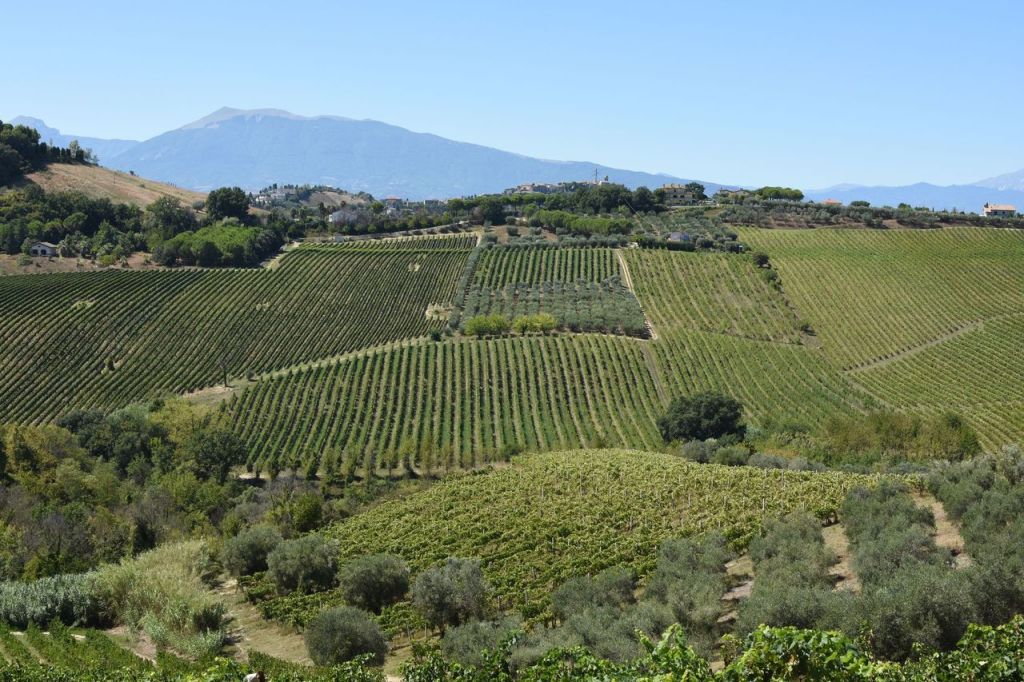
Located in the Marche region in central Italy on the Adriatic coast, they are a hidden gem land waiting to be discovered. This was our moment to discover the beauty they grow, make and pour for pleasure. Their dawn was in the 1950s when Amilcare De Angelis planted seven hectares of vineyard near the village of Montepradone, in the province of Ascoli Piceno. His son Marino took over the business in 1988 givining the family vineyard winery status with the name Il Conte Villa Prodone, a tribute to his father. Within the family, Amilcare the founding father was called Lu Kont or the count in the Marche dialect.
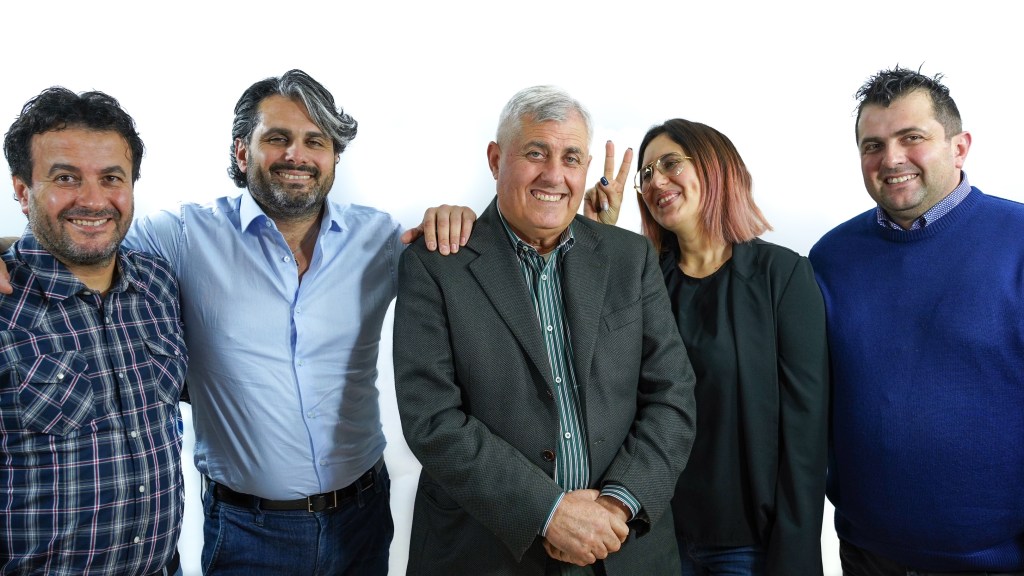
Developing came with Marinos four children joining the team. Walter and Samuel care for the vineyard, Emmanuel making the grapes into wine with Marina running the office. The estate grew from its original five hecatres to its current 50 of which 20 are under lease. The youngest vines are 3 years old, the average 50, with an estate average of 30 years old. They are planted between 150 to 200 metres above sea level, all southwest facing
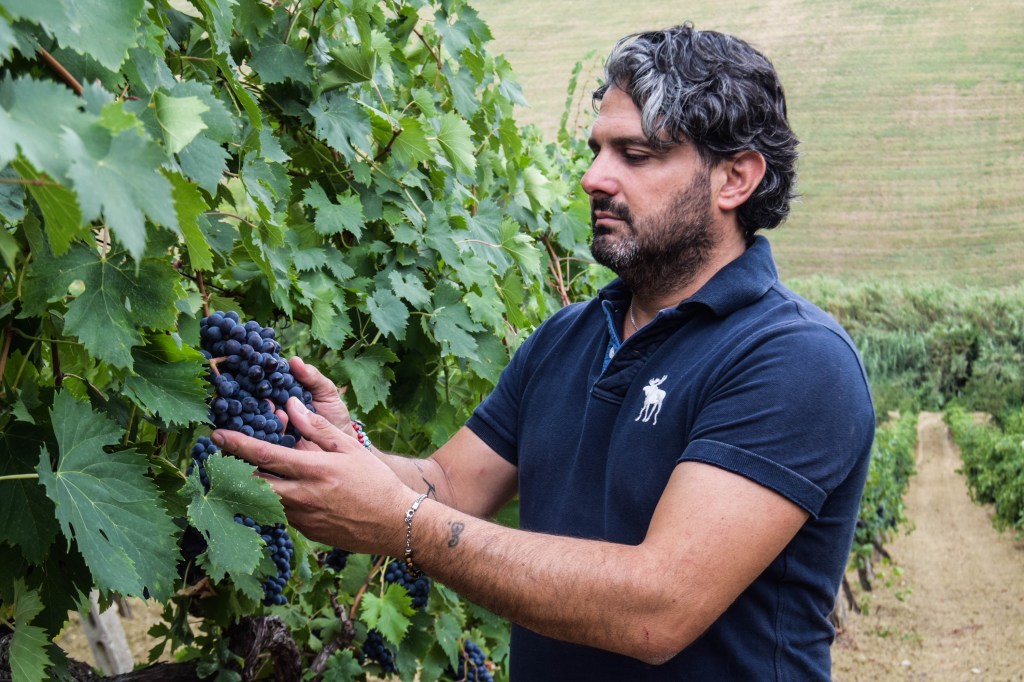
The vines chosen are mostly native Pecorino and Passerina for the whites and Montelpulciano and Sangiovese for the reds. There are small plots of Merlot, Lacrima, Tannat, Trebbiano, Malvasia, Sauvignon and Chardonnay to complete the vineyard portfolio.
The vines chosen are mostly native Pecorino and Passerina for the whites and Montelpulciano and Sangiovese for the reds. There are small plots of Merlot, Lacrima, Tannat, Trebbiano, Malvasia, Sauvignon and Chardonnay to complete the vineyard portfolio.
The winemaking and aging cellars are 8 metres underground with natural darkness, constant temperature and the right amount of humidity to allow the wines to age with thick characteristics, where the influence of the producer’s hand is evident, but above all of ideal exposure and unique microclimate In the Linea Terra in addition to red and white wines rose has found their place and all share the deep rootedness in the agricultural tradition of the Piceno region, made of fragrance and sip enjoyment, As we were being taken to discover our new wine experience, before tasting we were taken on a video location discovery. Geographical locations explained, nick names revealed and understanding the names of hills being used in the names of wines linking fruit with the wines.
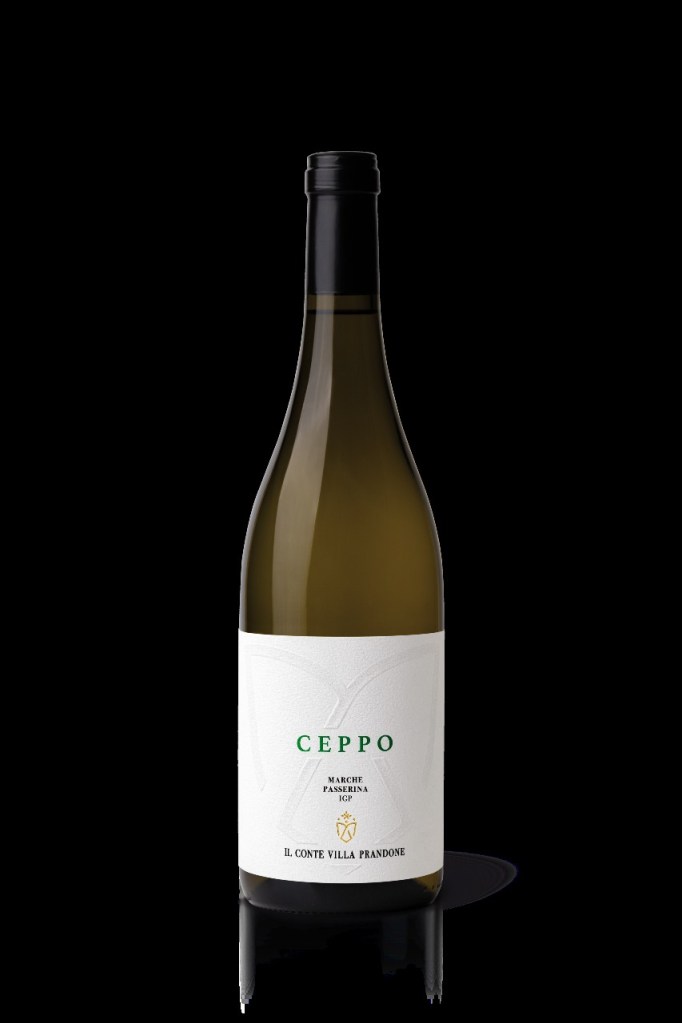
Ceppo 2022, Mache Passerina IGP
Made from Passerina white grapes harvested from the Montepradone hills. A fresh and fruity beautiful nose. A full and aromatic taste that is energetic in the mouth. Best enjoyed young while sitting and enjoying the sunset.
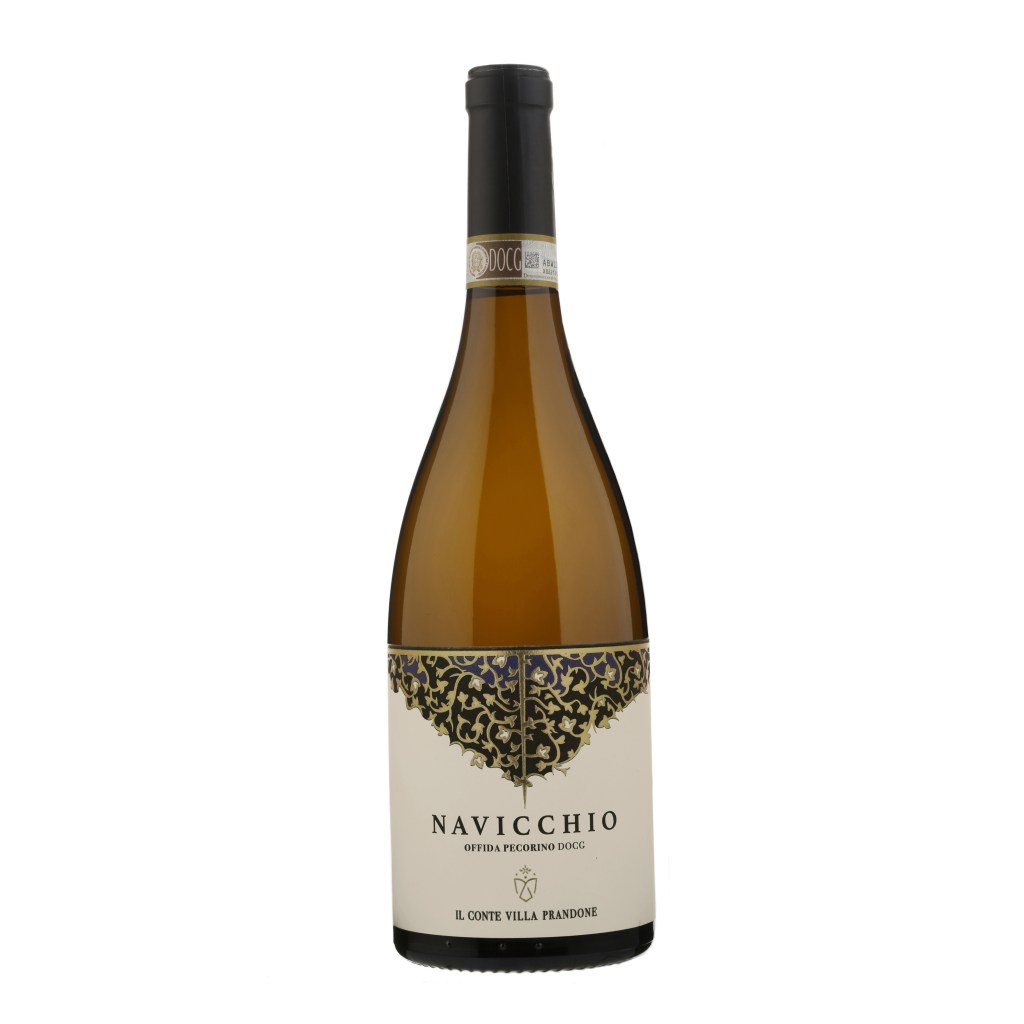
Made with light-skinned Pecorino grapes used in Italy’s eastern region in particularly in Marche and Abru. The wine is named after Contrada Colle Navicchio south facing hill (250m above sea level) where their vineyard is located. Its blessed with breezes and scent from the Adriatic Sea 7km to the east and the favourable climate of the Sibillini mountains 30kms away.
The straw yellow wine is an Offida Pecorino DOGC. The scent is typical and characteristic of the grape with its notes of flowers, fruit, pineapple, anise and sage. The taste is fresh, mineral with a long aftertaste and pleasant acidity. The grapes are harvested in August and September the keep the acidity in the taste. There is taste similarity to to New Zealand Sauvignon Blanc. It pairs will with a fish starter or pasta with vegetable.
The grape has the same name as the sheep’s cheese. The later is softer and creamy that tastes brighter, grassier and tangier with a pronounced saltiness. Tasting the two together worked pleasantly well.
Marinus Rosso Piceno Superiore D.O.P.
The first red we tasted is named after the second generation family member, made from a blend of Montepilciano and Sangiovese grapes. On the nose hints of small red fruits. The palate is elegant with excellent body, savory and long with slight tannicity. The wine can age gracefully. With alcohol of 14% a wine for roasts, grilled meats, game and mature cheeses. The 2017 vintage was listed in Wine Spectator’s 2020 top 100.

I retasted the bottle we had opened 10 days earlier and the taste was perfect, a floral collection focusing on the tip of the tongue.
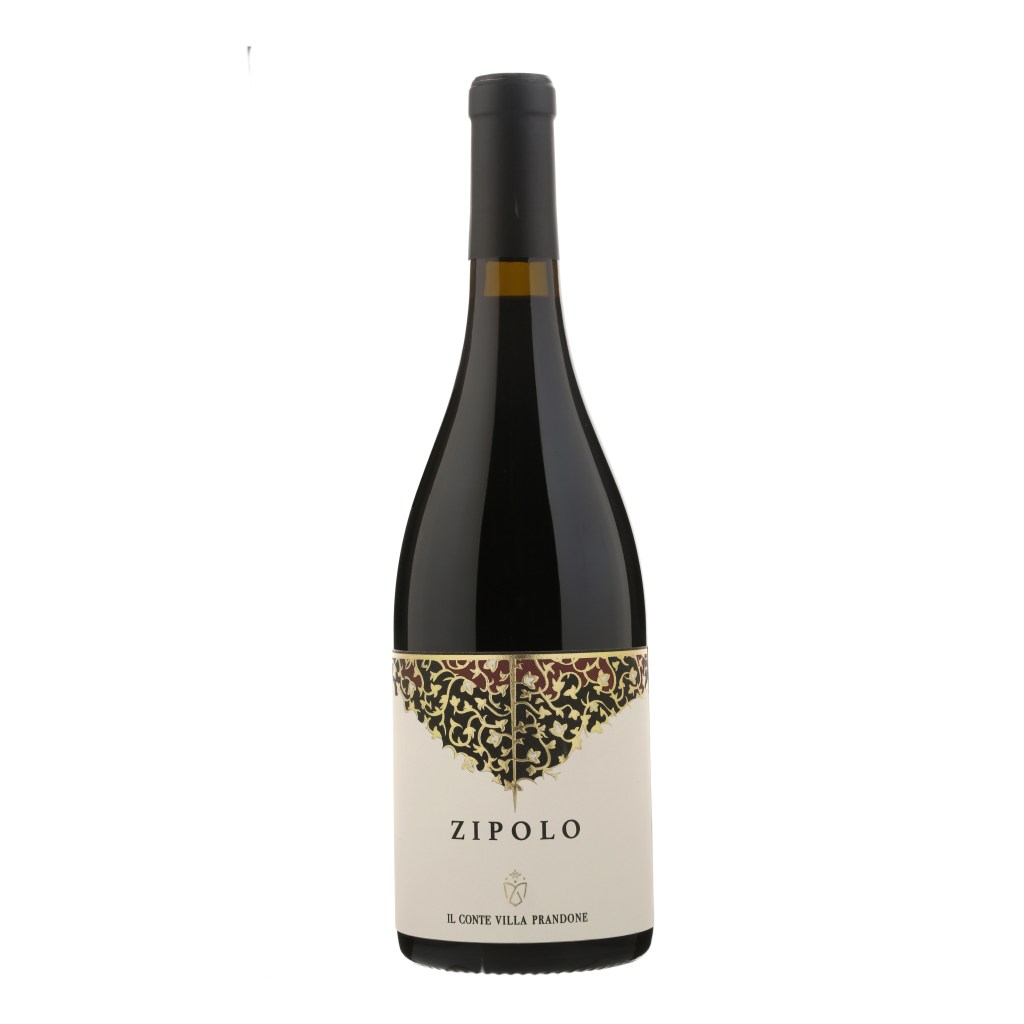
Zipolo Marche Rosso IGT
Only made in good vintages, here they have added 15% Merlot red grapes to Montepilciano and Sangiovese to give elegance to the wine with its moderate acidity and creamy tannins. Full bodied and robust with dark forest hints and dark chocolate of oak. A wine to be tasted slowly with a proper food serving.
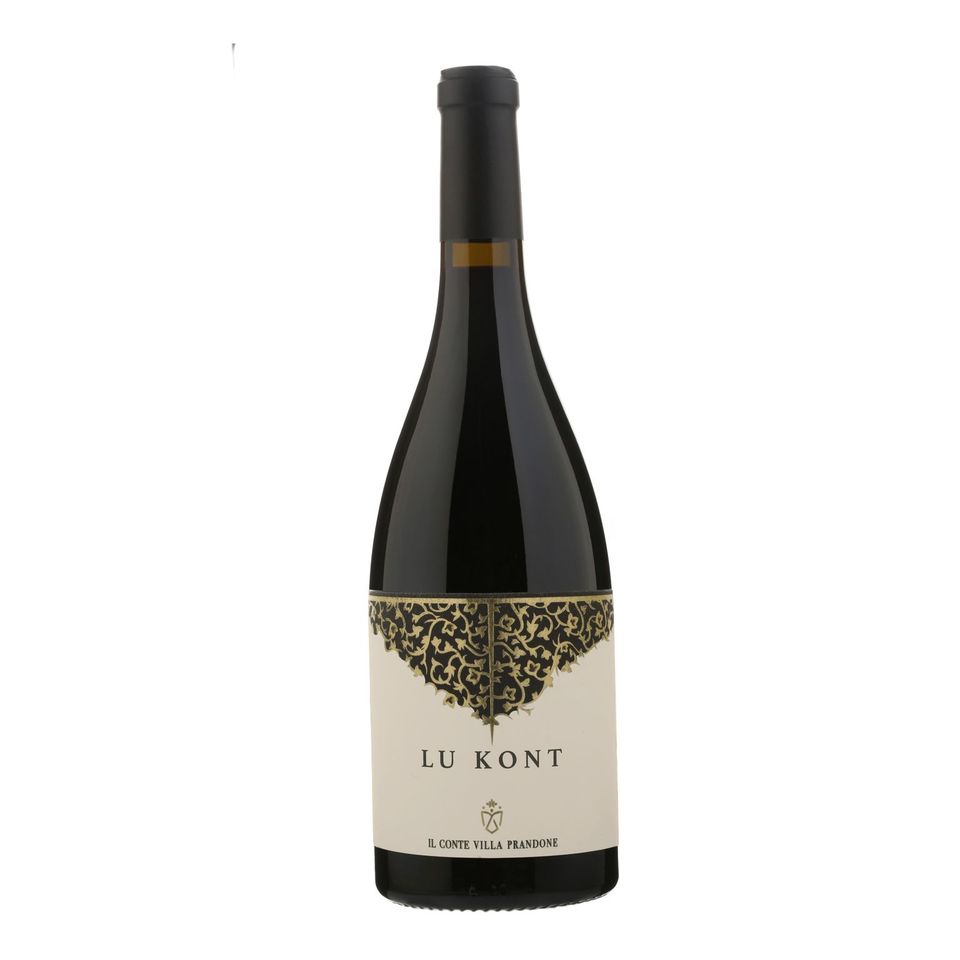
Lu Kont Marche Rosso I.G.P
Our final tasting was their flagship wine made with 100% Mupulinciano grapes from vines in their grand cru vineyard that was planted in the early 1980s. Only two bunches are grown on each vine and only 3,000 bottles are made each vintage. The wine is first aged in oak barriques for 15 months, then 15 months in cement vats to calm the tannins and balance the taste and at least 6 months in the bottle. Lu Kont captivates with hints of licorice and berries, its full bodied and complexity with aging potential of 30 years. The wine should be opened a couple of hours before serving but no need to decant. Slow down and enjoy its magnificence.
The quality of all five of these wines was how well taste days after I had opened the bottles, a tribute to the quality of Emmanuel’s wine making.
All their wines are made with their own estate grown fruit. Last year they produced 300,000bottles, they have the capacity to produce 500,000 bottles. The covid hospitality down turn a couple of years ago gave them the opportunity to rebrand with new bottle shapes a new logo. The shield on the label is the original brand of the family and the three stars signify the “perfect combination of man, sky and land.” Emmanuel shared that “we respect tradition, yet we have an open mind. We want to produce wine for the world. We feel that the new labels reflect that.”
 A discovery journey with Laurence Civil of his best tasting experiences
Leave a comment